

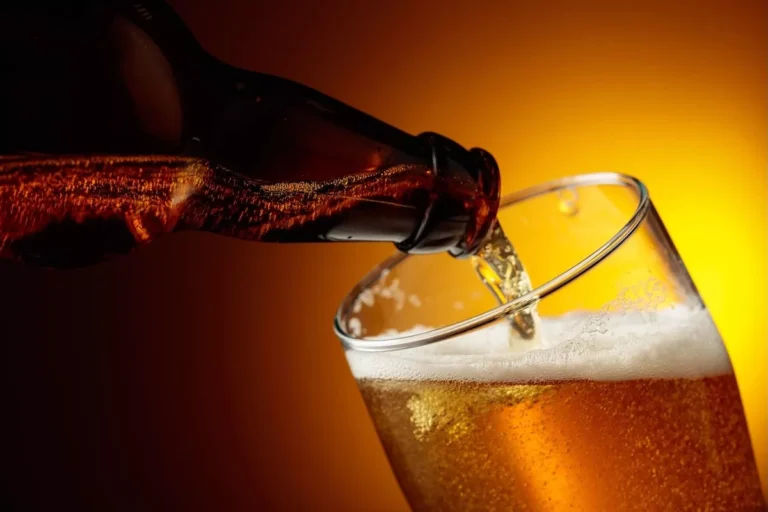
After a stellar 2024, Greece’s beer market is ending 2025 on a sour note. New price increases, weakening demand and a sharp slowdown in on-trade consumption are expected to push the market into negative territory, with industry estimates pointing to a contraction of 4% to 6% year-on-year, capital.gr reports.
The core problem lies in the on-trade and HORECA channel, which accounts for roughly 60% of total beer volumes in Greece. Industry sources estimate that on-site consumption fell by 8% to 10% in 2025.
The downturn of 2025 stands in stark contrast to the previous year. In 2024, Greek beer production rose to 4.31 million hectolitres, up 7.05% from 2023, while consumption increased by 6.6%, reaching 4.21 million hectolitres.
Supermarket sales also expanded. Beer volumes rose 4.6% to 84.75 million litres, while value surged 9.1% to €209.2 million, reflecting average price increases of 4%–5%. Per capita consumption climbed to 41 litres, from 38 litres a year earlier.
Greece remains one of the most on-trade–dependent beer markets in Europe, alongside Portugal (68%), Ireland (64%) and Spain (63%). However, the collapse of on-trade consumption is a pan-European phenomenon, according to the European Beer Trends 2025 report by the Brewers of Europe.

Market shares and structure
Athenian Brewery (Alfa, Amstel, Heineken) controls roughly 50% of supermarket sales, followed by Olympic Brewery (Mythos, Fix, Kaiser) with around 25%. The total value of the Greek beer market is estimated at over €600 million annually.
The number of active breweries rose to 76 in 2024, up from 72 a year earlier, with 55 microbreweries. At European level, the number of breweries stabilised at 9,715, as closures matched new openings for the first time in years.
A rare European bright spot
Greece was among the few positive outliers in a Europe experiencing its fifth consecutive year of decline. EU beer production fell from 367 million hectolitres in 2019 to 345 million in 2024, while consumption remains well below pre-pandemic levels.